The Night the Roof Fell: What Really Happened at Jetset Nightclub
Before the full episode drops, here’s what you need to know.
The Jetset nightclub wasn’t just a club. For the Dominican Republic, it held the kind of cultural weight that the House of Blues holds for Boston or the Echo for Los Angeles. Countless legendary Dominican artists passed through its doors over decades. That’s what makes what happened there so difficult to process.
A Building Never Meant to Be a Nightclub
The Jetset was founded in 1973 by Ana Grecia Lopez — who, as I’ve since learned, is the mother of the Espaillat siblings who would later take over the venue. Originally opened as a restaurant and discotheque, the building had previously been a movie theater until 1994, when it was converted into the nightclub we came to know.
And that detail matters more than most people realize.
Movie theaters are built with cantilever balconies and no support columns in the center — by design, so no pillars block the audience’s view of the screen. That’s a perfectly sound structure for a movie theater. But when you’re running a nightclub, you have to account for the movement of hundreds of people, the vibrations from live performances, heavy equipment, and everything else that comes with it. The structural demands are completely different — and this building was never built with those demands in mind.
When the club was renovated in 2010 and again in 2015, there were no structural changes made to address this. And critically, there are no records of any government inspection examining the structural integrity of the building. New building codes have been introduced since the club opened, but they aren’t applied retroactively — meaning older buildings aren’t required to meet them. I’m not an engineer, but that feels like a serious oversight without some kind of in-depth structural assessment.
The Roof Was a Disaster Waiting to Happen
In 2023, a lightning strike set the roof on fire. Firefighters declared it structurally safe — but here’s the problem: structural assessments aren’t within firefighters’ jurisdiction. That requires engineers. Whether the right people ever actually signed off remains murky.
After the fire, rather than addressing the deeper structural concerns, the building accumulated more weight on that unsupported roof: multiple heavy AC units, a generator, lighting equipment — all stacked on a roof with no columns underneath it. And for years, the club had a known humidity and water leakage problem that was never truly fixed. The patch of choice? Plaster on the ceiling. Over and over again.
The Man Who Saw It Coming
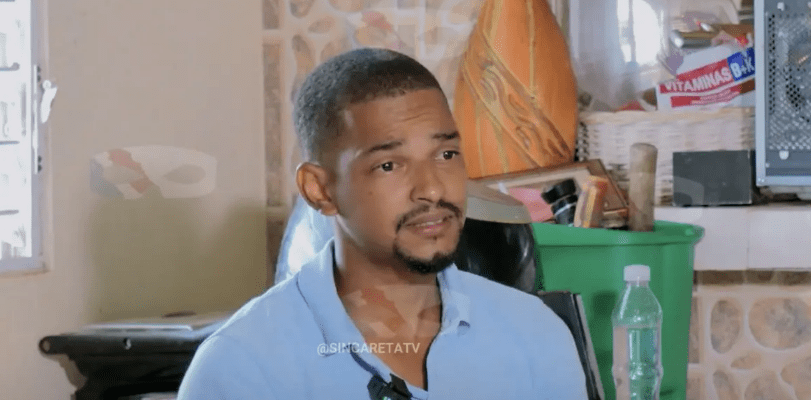
Gregory Adames started working at Jetset in 2020 and worked his way up to essentially managing the venue — handling reservations, seating, utilities, and guest lists. He was close with the Espaillat family. Marisol Espaillat was even a witness at his wedding.
Gregory wasn’t an engineer or contractor, but he didn’t need to be to see that things were wrong. For years he pushed back — on the repairman the Espaillats hired, named Manuel, and on the Espaillats themselves, especially Marisol. He’d point out when repairs were patches rather than real fixes. They called him malcriado — difficult. Manuel would tell the owners Gregory was just being a problem. The leaks kept coming back.
The weekend before the collapse, Gregory sent videos to the owners showing severe water damage. Parts of the ceiling were already chipping and falling. The day of the concert, he texted Marisol directly and begged them to postpone, to close down. Her response: the money was going to be good, and he needed to stop saying things like that because he had “boca de chivo” — meaning everything he predicts comes true.
The concert went ahead.
12:45 AM
At 12:45 in the morning, the roof collapsed. Minutes before, video caught plaster falling — but the space was so large that most people didn’t notice. There wasn’t enough time regardless.
Gregory was there. He watched one of his regulars — a man who had been there to celebrate his wife’s birthday and had just asked for the bill to leave — die on his way back from talking to Gregory, not two minutes after their conversation.
Gregory himself survived. He was one of the first people to call Antonio Espaillat and tell him the building had collapsed.
What Came After
In the chaos, as Marisol was being loaded into an ambulance, she asked where the money bag was. Days later, she gave an interview expressing grief over Gregory — despite having spoken with him and knowing he was alive.
Weeks later, she traveled to the countryside where Gregory had retreated to get away from everything. She told him to be careful about who he was talking to. That they could both face 20 years in prison. That there were dangerous people out there. Gregory didn’t take it as concern.
When the Espaillats brought employees in for their liquidation checks, the paperwork came with a condition: sign, and you waive your right to take legal action. Gregory initially refused. He came back with a lawyer, negotiated different terms, and ultimately filed a lawsuit.
He says he doesn’t do it out of anger — he does it because he doesn’t see the humanity in how things have been handled. He’s had to go into hiding. He can’t sleep. He says he still hears the voices of the people who died calling out to him that night.
The formal investigation was supposed to take three months. More than a year later, it still hasn’t concluded. The trial is still in preliminary stages. The first judge assigned had business ties to the Espaillat family.
The full episode goes much deeper. Stay tuned.
Gregory Adames has given three long format interviews two to Tony Dandrades and one to Somos Pueblo both which can be found on Youtube.


Leave a Reply